Tag: travel-tips

  • The Best Mediterranean Cruise Seasons for a Relaxed Pace

    The Best Mediterranean Cruise Seasons for a Relaxed Pace

    Why Timing Shapes the Entire Journey

    Unlike the Caribbean tropics, where the weather is consistent, the Mediterranean changes with the seasons. Summer is hot, busy, and full of energy, which can be too much if you want peace. Winter is quieter, but it’s cooler, and there are fewer cruise options.

    The shoulder season is often a favorite. There’s more room to stroll through harbors or relax at a bistro without crowds. These months are when the region is either just coming to life or settling down. You can appreciate its beauty without the rush of peak season.

    May: The Mediterranean at Its Most Graceful
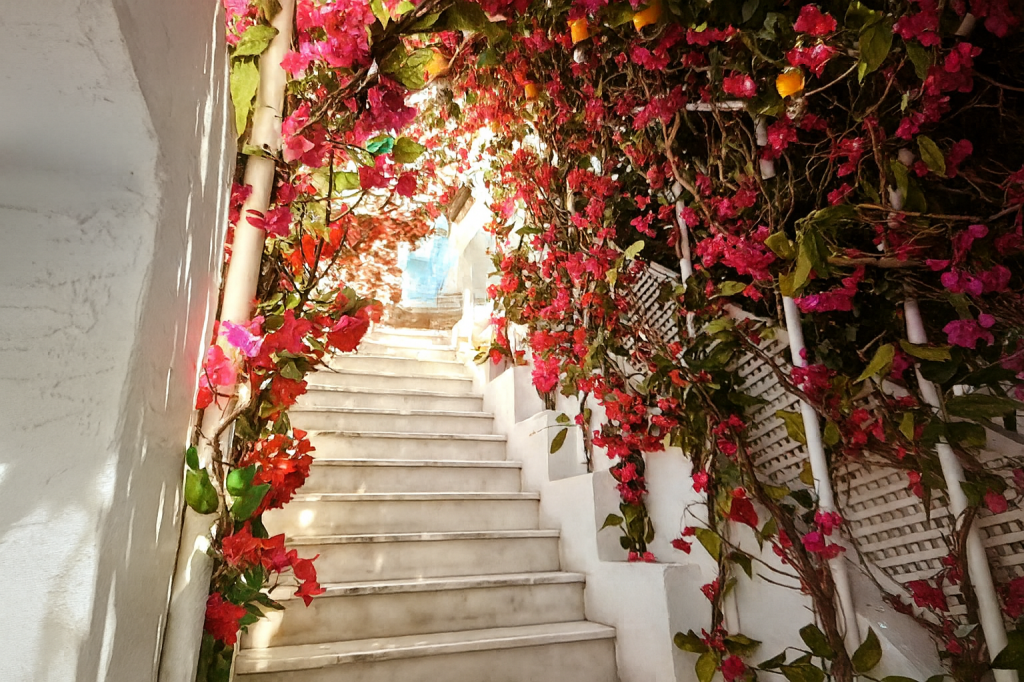
    In May, color arrives before the crowds do.

    May is the perfect month for an unhurried Mediterranean trip. Spring is in full swing, but the summer heat hasn’t started yet. The days are warm for outdoor lunches and time on deck, while evenings are still cool. Coastal towns are lively but not crowded, and locals keep the easygoing mood of early season.

    Visiting places like Rome, Florence, Athens, Dubrovnik, and Valletta will make you feel at ease. Even the most popular sites feel manageable, free from peak-season crowds. It is a time of year filled with colorful blooms and lush green hillsides.

    Be prepared for the occasional spring shower, which can make your walks even more refreshing. Some museums have shorter hours. The month of May works beautifully if you love long, unhurried days in port. It’s ideal for walking, taking photos, and exploring entirely at your own rhythm.

    September: Warm Seas and a Softer Summer Glow
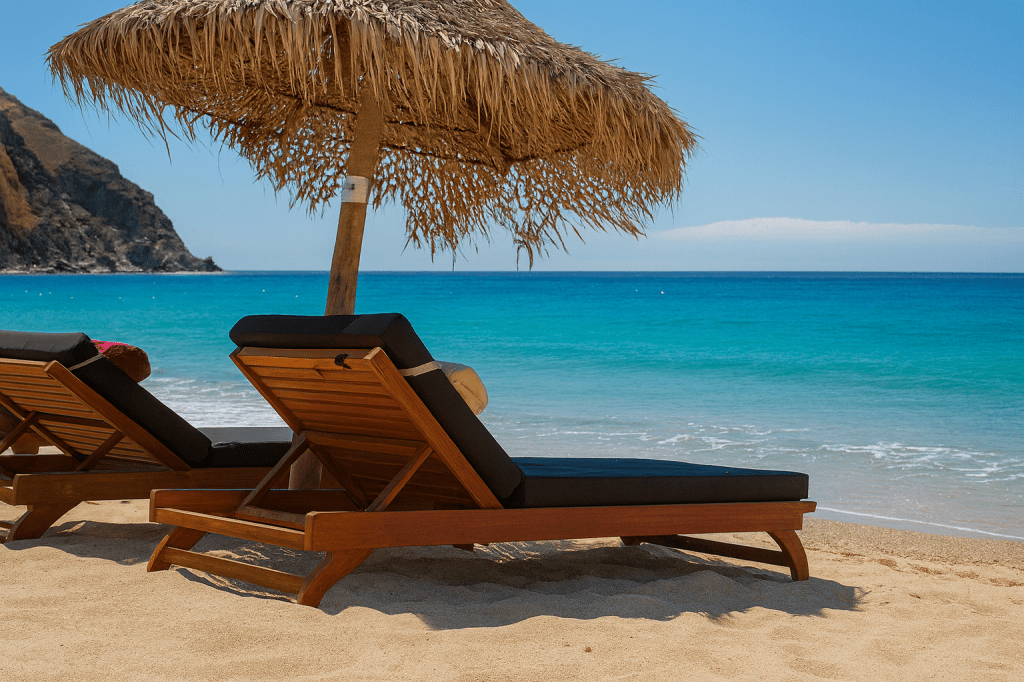
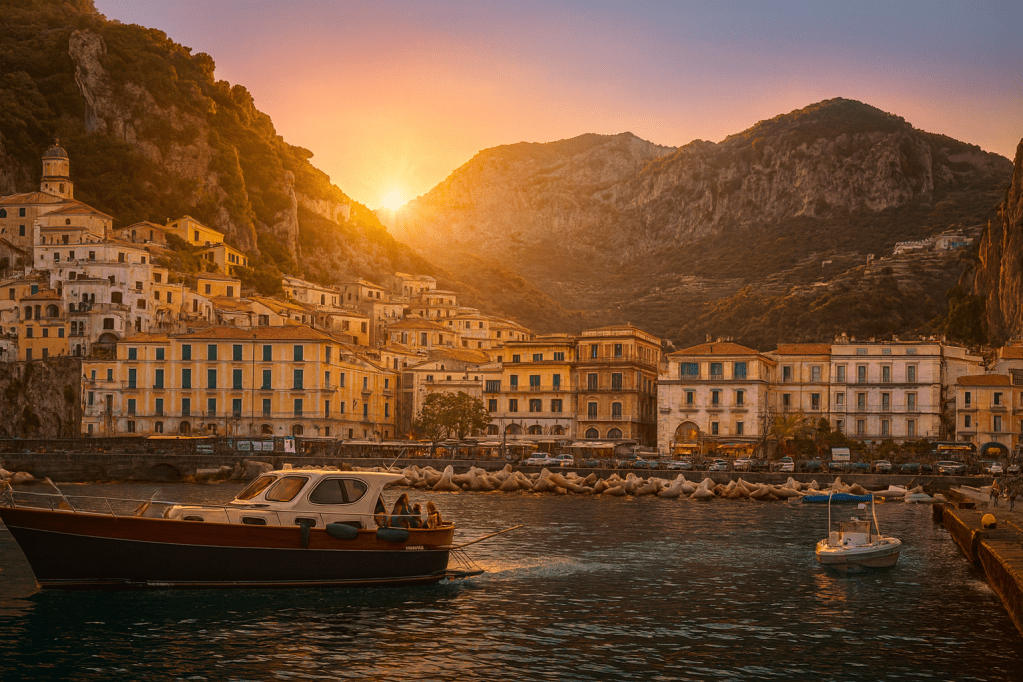
    Warm seas, fewer voices, and time that stretches in September.

    May is when the Mediterranean feels fresh, and September is when it shines. The heat from July and August has faded, but the sea is still warm.  It makes it a great time to visit Greece, Croatia, and the Balearic Islands. Ports stay lively, but with fewer family vacationers, the mood is more at ease.

    Harvest season in Italy, France, and Spain occurs in September. As you stroll, you find an abundance of figs, grapes, and late-summer tomatoes.  Even local wines are at their best. Many people claim that September is the top month for enjoying culture, food, and lingering by the coast. If you want both beach time and sightseeing, September is a great choice.

    April and October: Quiet, Cool, and Culturally Rich
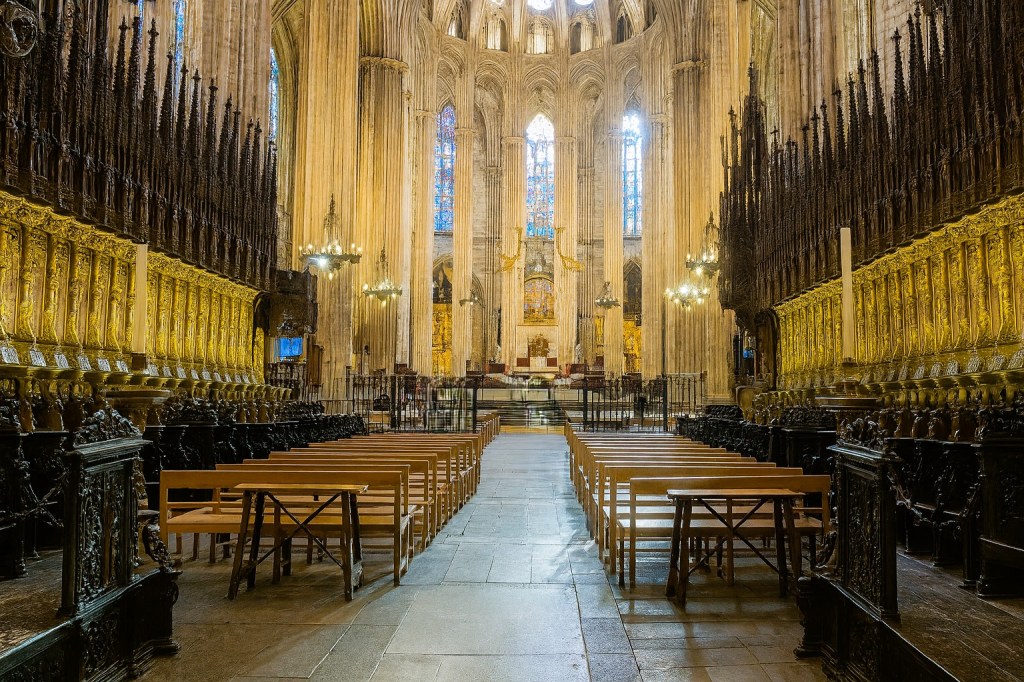
    Shoulder seasons of April and October leave space for stillness.

    For travelers who value tranquility, April and October are exceptional choices. These months sit at the edges of the cruise season, offering cooler temperatures and lighter crowds. The weather is crisp but comfortable. It is the perfect time for exploring ancient ruins, museums, and old towns. The atmosphere is serene, and prices are often more favorable.

    October is gently warm, especially in the southern Mediterranean. The sea may be cool in April, but in southern ports, October is often still warm enough for swimming. The Mediterranean in October has a quiet beauty, as the region slows down after the busy summer.

    Both months suit travelers who crave quiet streets and easy restaurant reservations. They’re perfect for anyone who wants a more intimate connection with each destination. April leans cooler and quieter; October offers warmth with a softer, golden light.

    Early June: A Sweet Spot Before the Surge
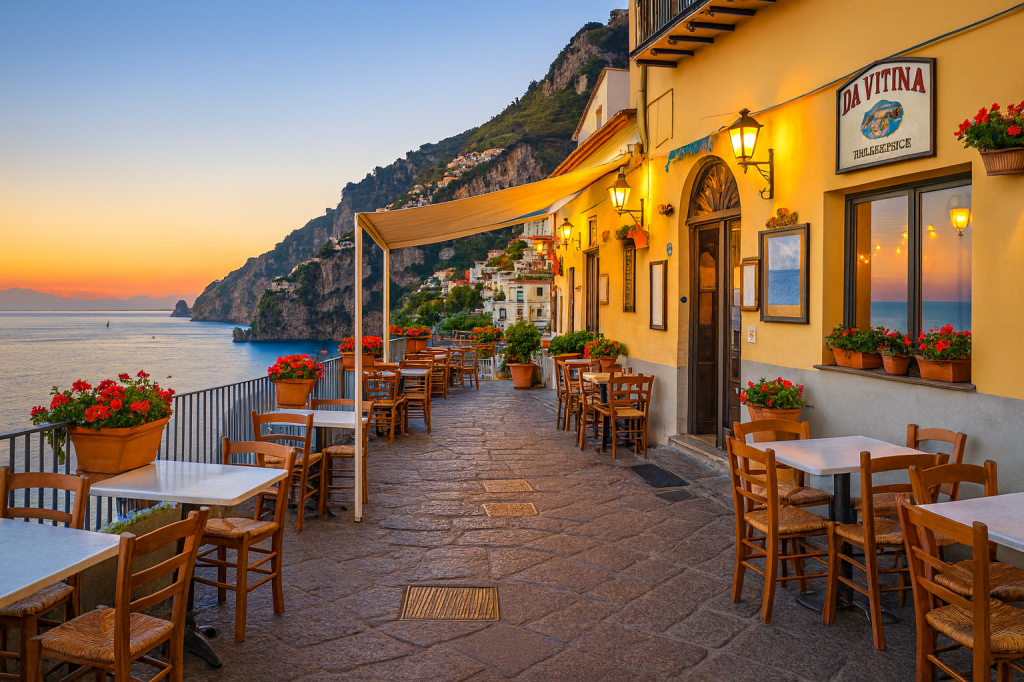
    Early summer evenings in June linger a little longer.

    Early June is a short but great time to visit before summer is in full swing. The days are long and sunny, and the sea is warm enough for swimming. Ports feel lively without ever tipping into overwhelming. It’s perfect if you want a summer vibe without the big crowds. By the middle of June, things get busier, and the easy rhythm starts to disappear, so timing matters. Because it’s such a narrow window, early June sailings tend to book quickly.

    Winter: Peaceful, Affordable, and Niche
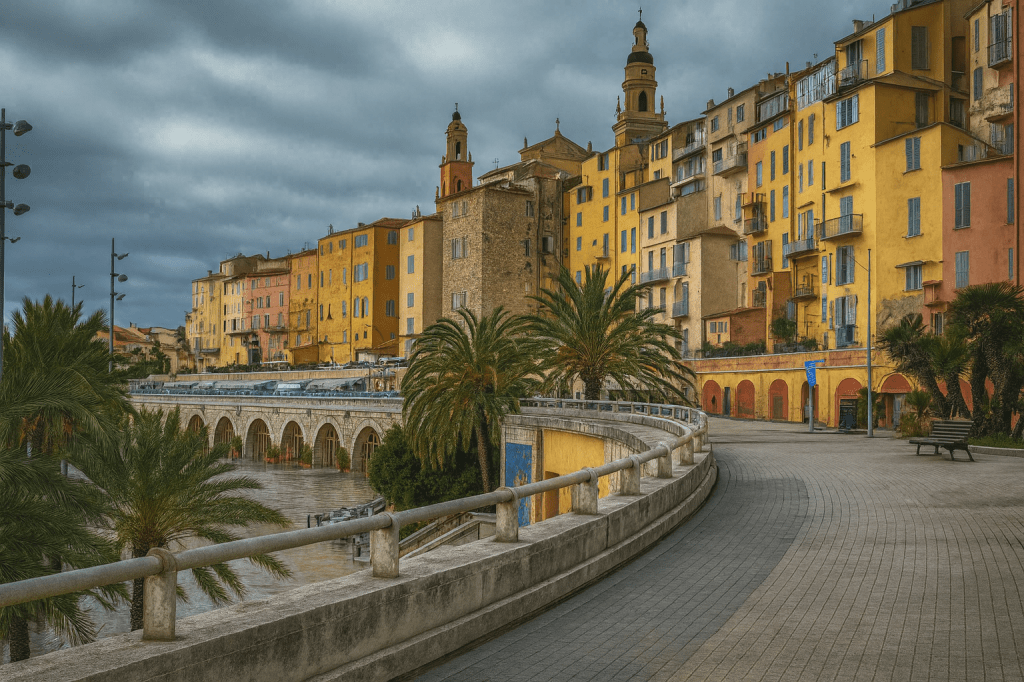
    A seasonal snapshot for choosing the pace that suits you during winter.

    From November through March, the Mediterranean enters its quietest phase. Many cruise lines reposition their ships, and itineraries become limited. The weather can be cool and unpredictable, and some coastal towns slow down dramatically.

    Even so, winter has its own appeal. Prices are lower, crowds are minimal, and destinations like the Canary Islands enjoy mild weather year-round. If you want solitude and don’t mind cooler temperatures, winter can be a peaceful choice. It won’t be the typical Mediterranean trip.

    Choosing the Right Season for Your Style

    A serene Mediterranean cruise isn’t just about skipping the crowds. It’s about matching your trip to the feeling you want to have along the way.
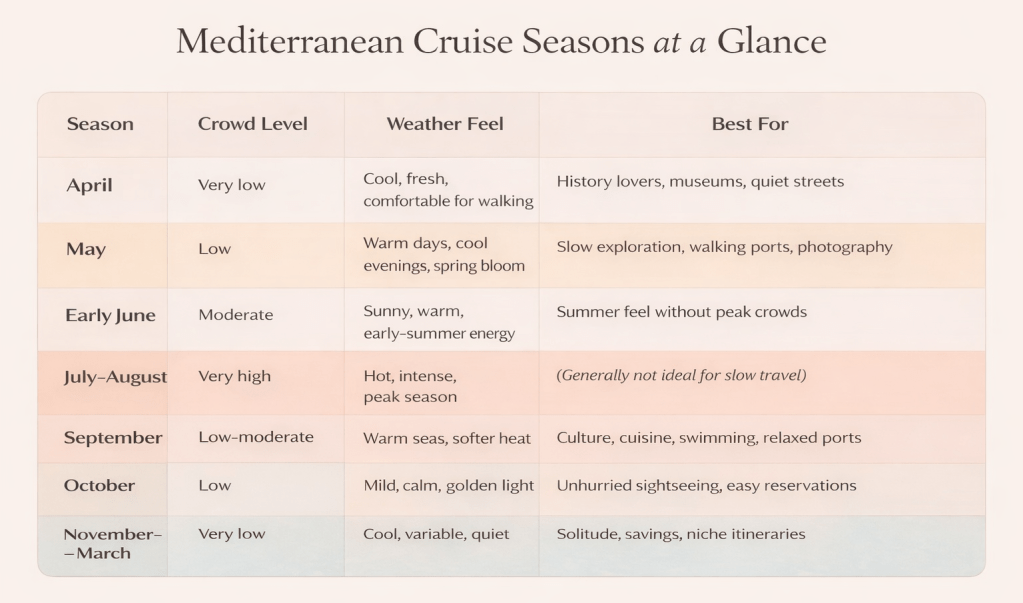
    • For warmth and calm: May or September
    • For culture and quiet: April or October
    • For a touch of summer without chaos: Early June
    • For solitude and savings: Winter

    Each season offers its own version of serenity. Choose the month that aligns with how you want to move through the world. It should support a pace that feels slow, intentional, and spacious enough to savor every moment.
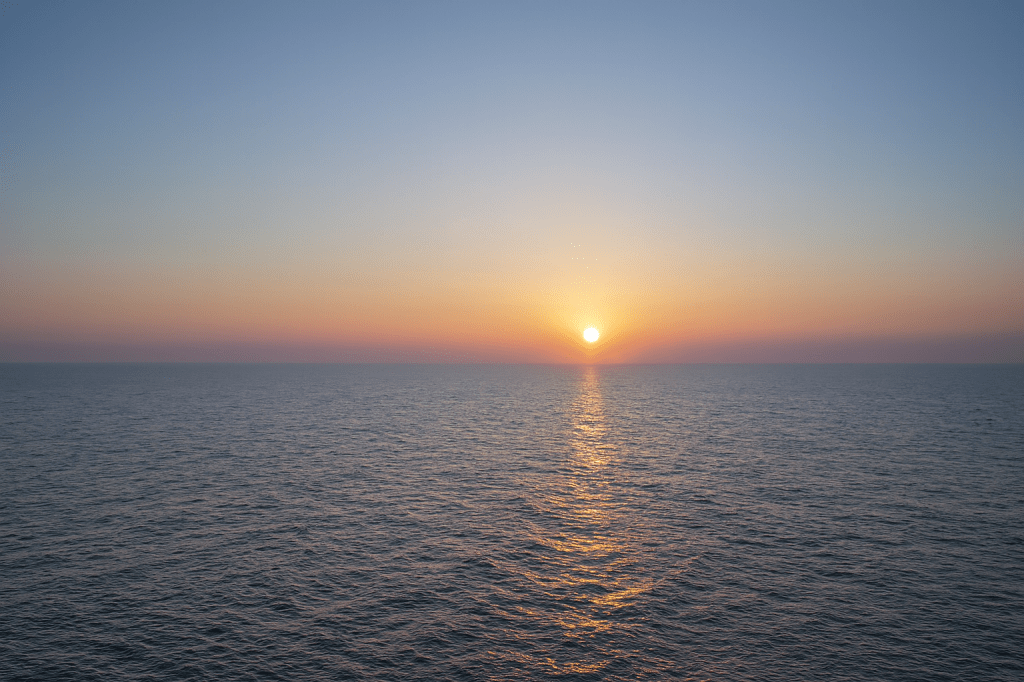
    Some journeys are shaped by when you go.

    In the Mediterranean, the right season doesn’t rush you; it meets you where you are.
  • Mediterranean Cruises: Ports Where Staying on the Ship Is the Best Choice

    Mediterranean Cruises: Ports Where Staying on the Ship Is the Best Choice

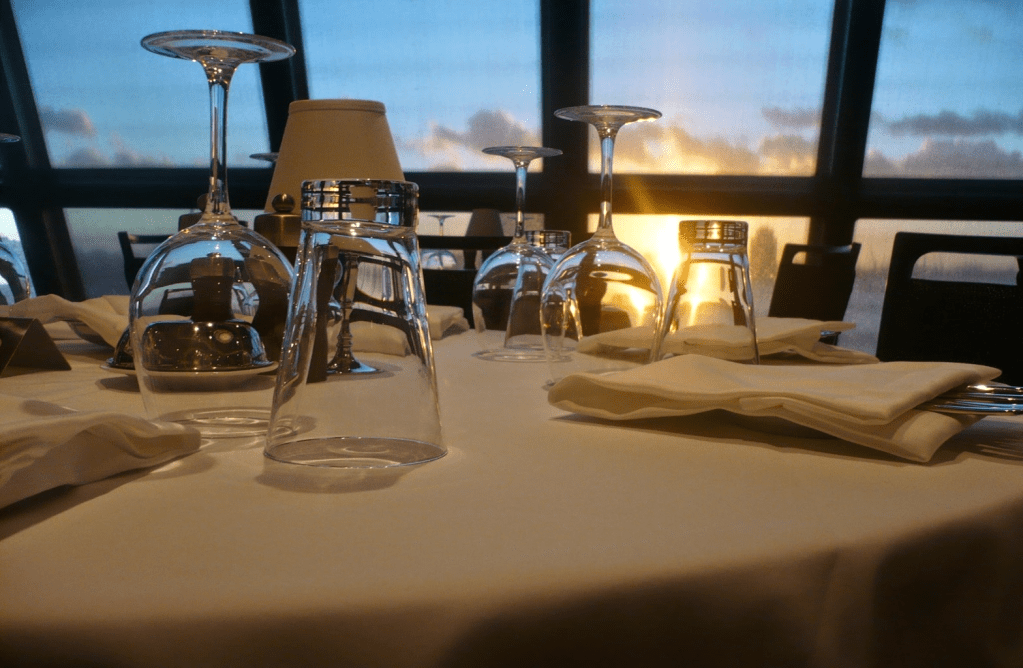
    Sometimes the most memorable moments happen when you stay on board.

    You don’t have to end every Mediterranean port stop feeling tired or wondering if it was worth it. Sometimes, the best way to relax is to stay on the ship while others head out. Timing makes all the difference. A port that’s crowded and hot in July can be peaceful in October. Here’s a look at which ports you want to skip, and when that might change.

    When Staying Onboard Makes Sense

    Ports where timing matters more than effort alone

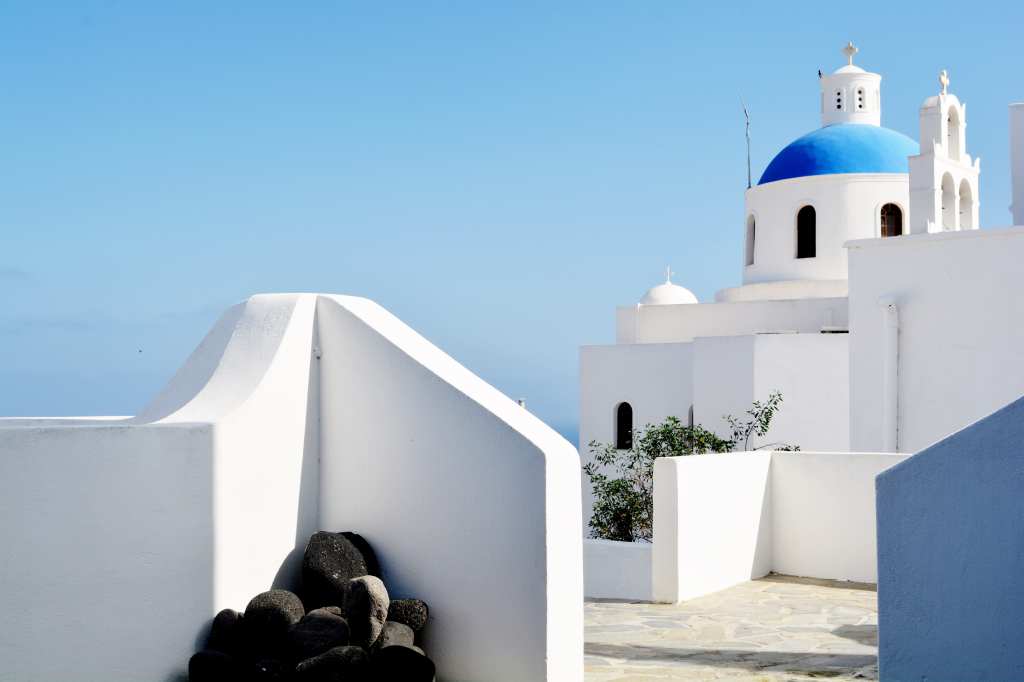
    Santorini, Greece: Summer Madness, Autumn Magic

    A quiet October morning in Oia feels nothing like August.

    Visiting Santorini by cruise ship in summer can be tough. During peak season, thousands of passengers head to the same small port. Tender boats take you to shore, but then you face a bottleneck. Cable cars with two-hour waits, donkey rides up 600 steps, or walking those steps in the heat.

    Once you reach Fira, the narrow streets are packed. Restaurants have long waits, viewpoints are crowded with people taking photos, and the town feels overwhelmed. Shopkeepers are busy, and the visit can feel stressful instead of special.

    When it works: If you visit Santorini in October or early November, the experience is much better. The weather stays pleasant, with temperatures in the mid-70s instead of the mid-90s, and there are far fewer people. In October, cable cars run without long waits. Restaurants seat you quickly, and you can walk through Oia at your own pace. Late September and October cruises let you see the Santorini everyone talks about. The town is much more enjoyable when it isn’t crowded.

    Livorno, Italy: The Florence Distance Problem

    Florence is one of Europe’s best cities, but its distance from Livorno makes visiting tricky. The port is 60 miles away, and it takes about 90 minutes each way if traffic is light. Getting to Florence also means extra travel costs. A round-trip taxi can cost at least €180, which is a lot for a short visit.

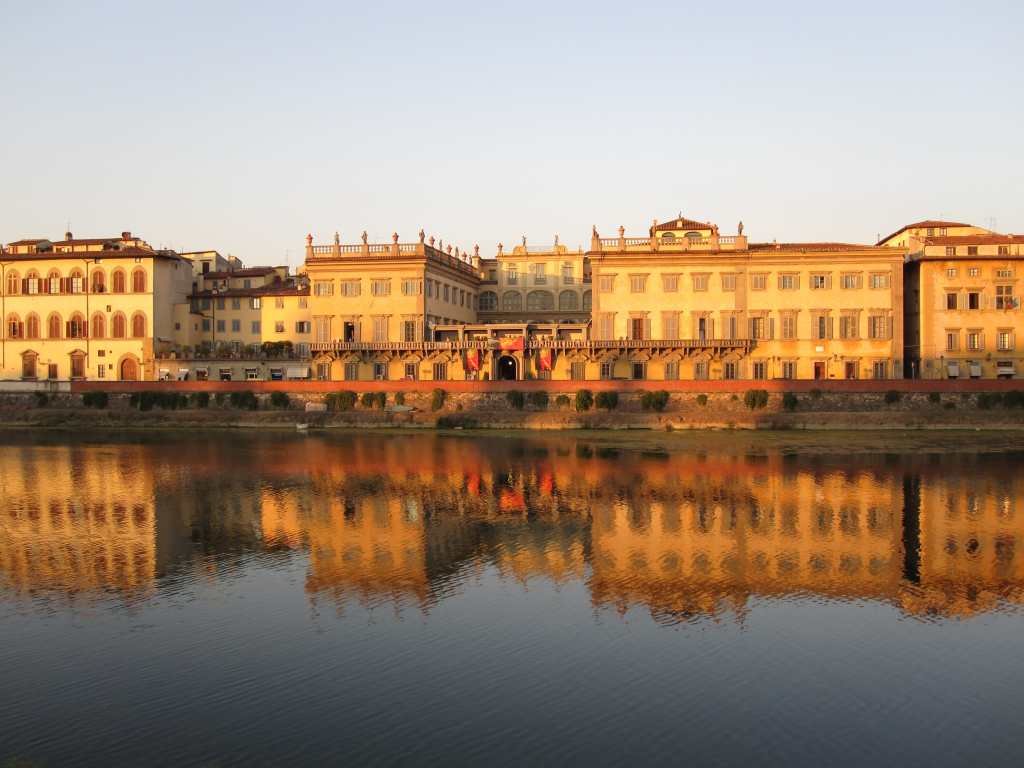
    Historic buildings along the Arno River in Florence at sunset

    Think about the timing: ships usually arrive at 8 AM and leave at 5 PM, so you have nine hours. With at least three hours spent traveling, you get about six hours in Florence. Most tours only give you two or three hours to look around. The visit feels rushed, and you end up watching the clock.

    Most people return from Florence feeling tired instead of inspired. You don’t really experience the city; you just get a quick glimpse.

    When it works: For return visits to favorite spots, the timing works. If you have your heart set on visiting Florence, look for a ship that includes overnight stays in Livorno. This will afford you time for proper exploration. Some travelers take the direct train. Others hire a private driver and focus on a single museum or landmark.

    If it’s your first time, Florence is worth more than a rushed day trip. Staying on the ship and enjoying the spa, quiet decks, or the empty pool can be more relaxing. Florence is best enjoyed on a more extended land visit.

    Valletta, Malta: The Three‑Ship Problem

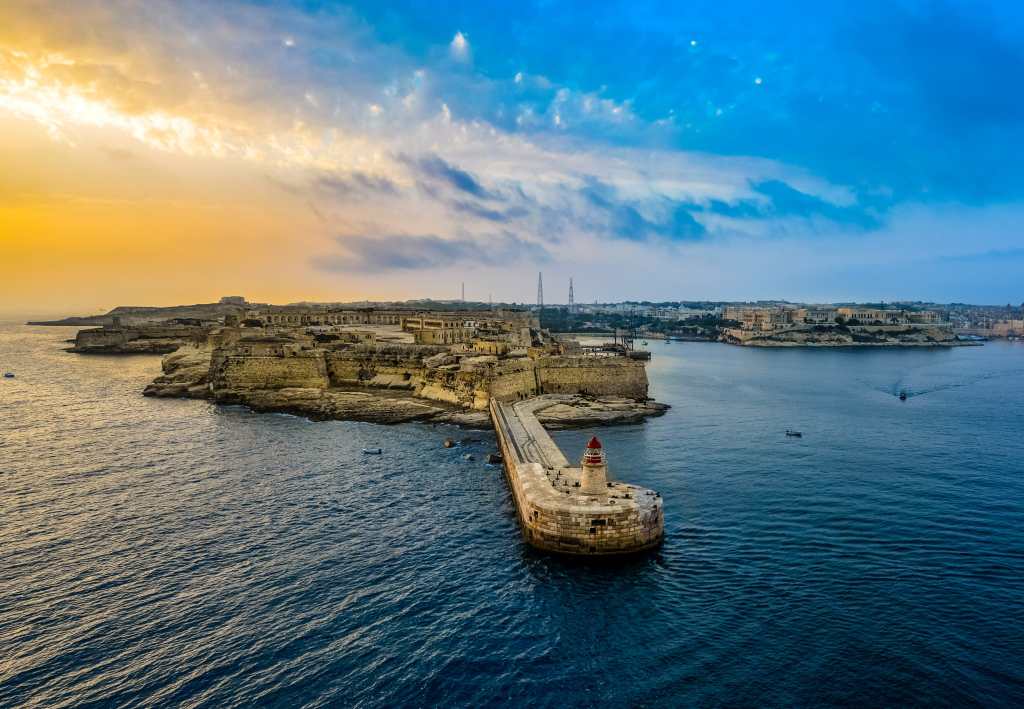
    Valletta harbor and lighthouse viewed from the sea at sunrise

    Valletta is beautiful, with a rich history, striking buildings, and a harbor that looks like a movie scene. But your experience depends a lot on how many ships are in port.

    Malta gets over 300 cruise ships each year. If you’re the only ship or one of two, Valletta is wonderful. But when three or four big ships arrive at once, which often happens in summer, the city gets too crowded. In the heat, hills, stairs, and narrow streets fill fast, and lines form at most sights. With such a small city, it’s hard to escape crowds, and getting to the beaches takes time.

    When it works: Check the port schedule. In shoulder season from April to May or late October to November, Valletta shines. If you’re the only ship in port, it’s especially worth exploring. Its UNESCO status is well earned. And if you’re drawn to the Knights’ history or want to see the Caravaggio in St. John’s Co‑Cathedral (book ahead), the experience can be wonderful.

    On busy summer days when several ships are in port, it’s often more enjoyable to stay on the ship.

    Civitavecchia (Rome), Italy: The Impossible Day Trip

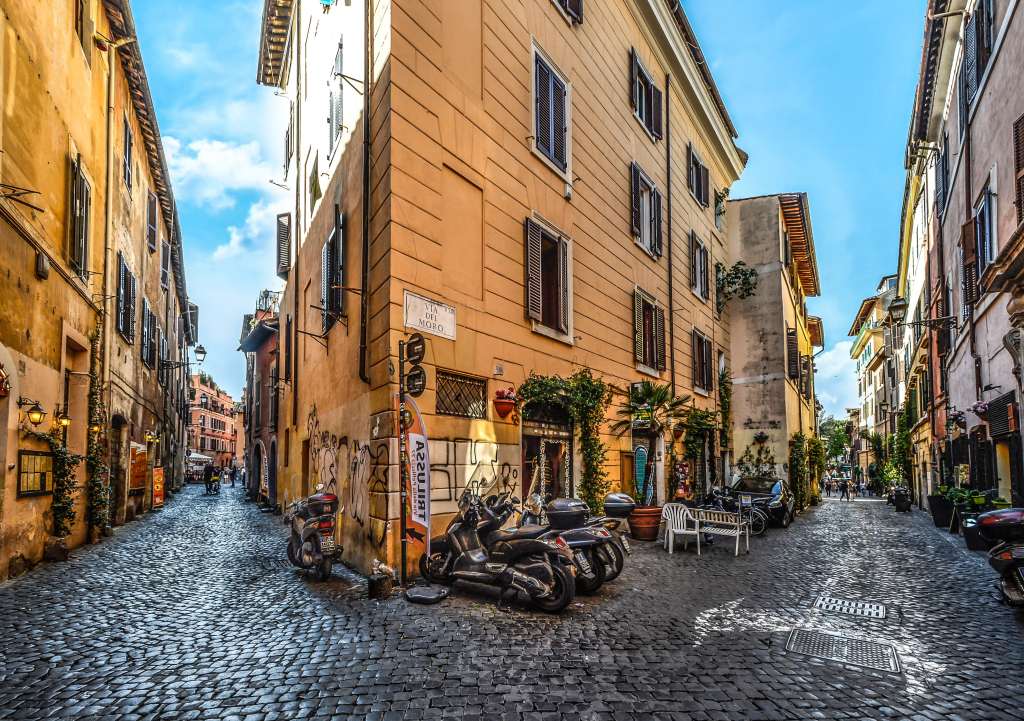
    Quiet cobblestone street in Rome with scooters and historic buildings

    Rome is very difficult to experience well during a cruise port call, especially during busy summer days. Civitavecchia is about 50 miles away, 75 minutes by train or longer by bus. You’ll lose about three hours to transport. That leaves maybe six in a city where even a week barely scratches the surface.

    Shore tours in Rome move fast. You’ll see the Colosseum from the outside. Then, squeeze in 20 minutes at the Trevi Fountain. Catch a quick peek at the Vatican, and then it’s back to the bus. Often, you spend more time in traffic than actually experiencing Rome. Most people come back feeling tired, not inspired. The Eternal City deserves more than a hurried glimpse.

    Civitavecchia is mostly a working port and doesn’t have much for tourists. Yet, heading into the center of Civitavecchia does offer a museum and plenty of places to dine.

    When it makes sense: If you’ve explored Rome before, the timing can work beautifully. It’s ideal when you’re returning to one beloved spot, whether a favorite trattoria or a single museum.

    A better strategy is to fly into Rome before or after your cruise for a proper visit. Then, when the ship stops in Civitavecchia, you can stay aboard guilt-free, enjoying the amenities and the luxury of time.

    Otherwise, treat this stop like a sea day. Enjoy the spa, sleep in, and relax. The lounge chairs around the pool will be plentiful.  Rome is worth more than a quick visit.

    The Weather Variable

    Heat, Distance, and Tendering: The Hidden Costs

    Mediterranean summers often reach 95°F (35°C) or higher, and that heat makes a big difference. Cobblestones, historic stairways, and no air-conditioned interiors can demand more from your body than you expect. In crowded areas, these challenges can be especially tough for older travelers or those managing health concerns.

    Many people spend a lot on excursions but end up coming back early because of the heat. It’s not your fault; that’s just how Mediterranean summers are.

    The best times to visit are September to October and April to early June. Temperatures are in the 70s, crowds are smaller, and sightseeing is much nicer. Ports that are packed in July can be great in October.

    The Tendering Factor

    Some ports use tender boats to bring passengers from the ship to shore. If everything goes smoothly, it’s fine. But if you’re the third or fourth ship at the same spot, delays can pile up.

    Waiting two hours for a tender boat is common. You lose several hours of your day before you even start exploring. If the main sights are far from the dock, it’s often not worth it.

    You can usually find out if a port uses tender boats before your cruise. If a port is already difficult and you add tendering, it’s a good reason to stay on the ship.

    Making the Decision

    Here’s an easy way to decide if you should go ashore:

    Consider these factors:

    • How many ships will be in port? (Check CruiseMapper or CruiseTimetables tools)
    • What’s the weather forecast? (Anything above 90°F deserves serious reconsideration)
    • Are you genuinely excited about the destination, or just feeling obligated?
    • Have you been before? (Return visitors can skip without guilt)
    • What’s happening onboard? (A quiet ship can be its own luxury)

    If these questions make you want to stay on the ship, you’re not wasting your cruise. You’re making a smart, thoughtful choice. Some of the best cruise days happen when the ship is nearly empty.

    The Bottom Line

    Not every port is worth your time and energy, especially if the conditions aren’t right. One of the best things about cruising is the flexibility. You’re not stuck in a hotel if you don’t like a place. The ship keeps moving whether you get off or not.


    Years of cruising Europe and planning land journeys have taught me to organize well. And sometimes, that means choosing to skip a port altogether.

    You don’t have to go ashore at every stop. Save your energy for the places you really want to see or visit at the best time of year. You paid for the ship’s amenities, too. Sometimes, the best choice is to stay on board and enjoy them.

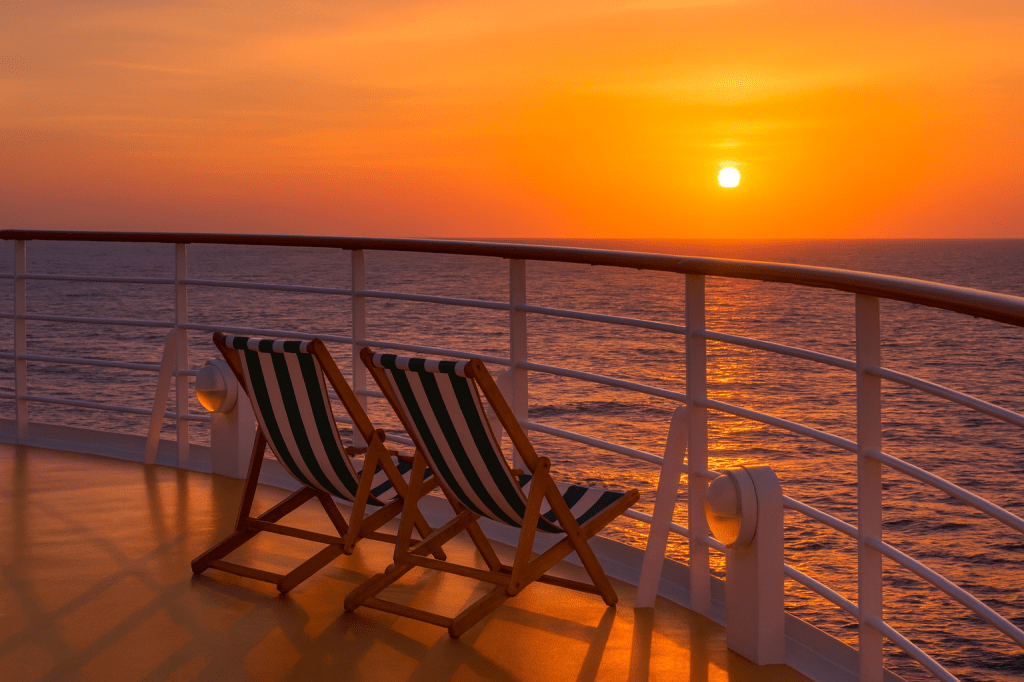
    Empty deck chairs on a cruise ship at sunset overlooking the ocean

    The goal isn’t to see everything. It’s to enjoy the experiences that matter most. Quality always matters more than quantity.

    Some links on this site are affiliate links. This means I may earn a small commission at no extra cost to you. I only recommend experiences I truly value.