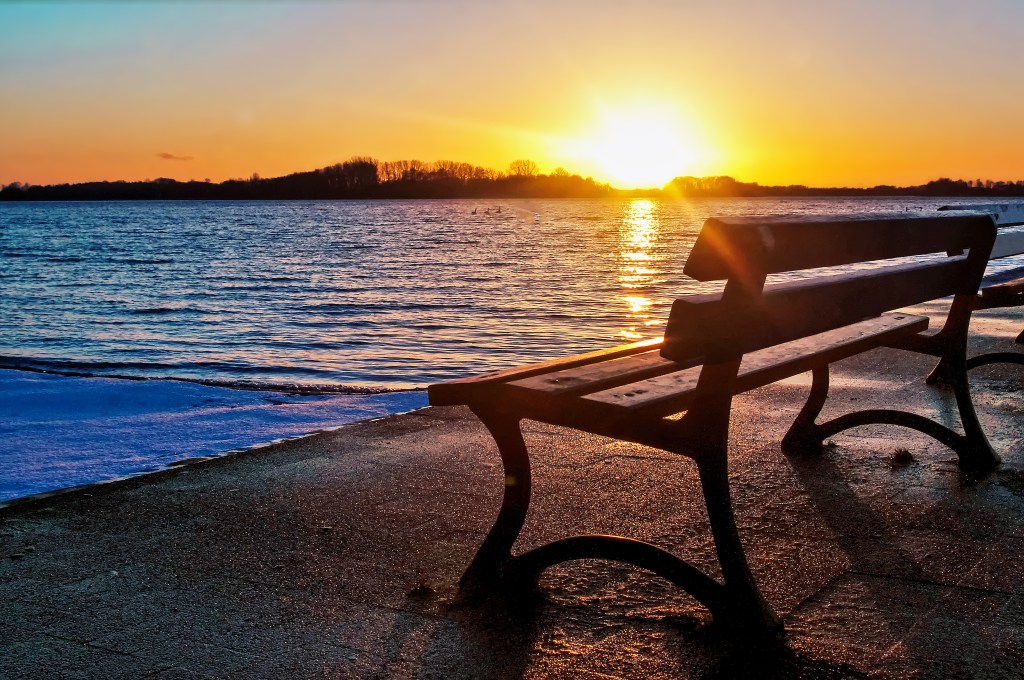
Slow travel ports let you experience the Mediterranean at a relaxed pace. Picture sipping coffee in a quiet harbor café, listening to the waves. When the crowds leave, these places feel more welcoming. Local life becomes more visible, and new rules help prevent overcrowding from large cruise ships. In these ports, you can enjoy walking, visiting markets, and having small, memorable experiences. You get to truly connect with the place, rather than just passing through.
“The best Mediterranean ports don’t demand your energy.
They reward your attention.”
Barcelona, Spain
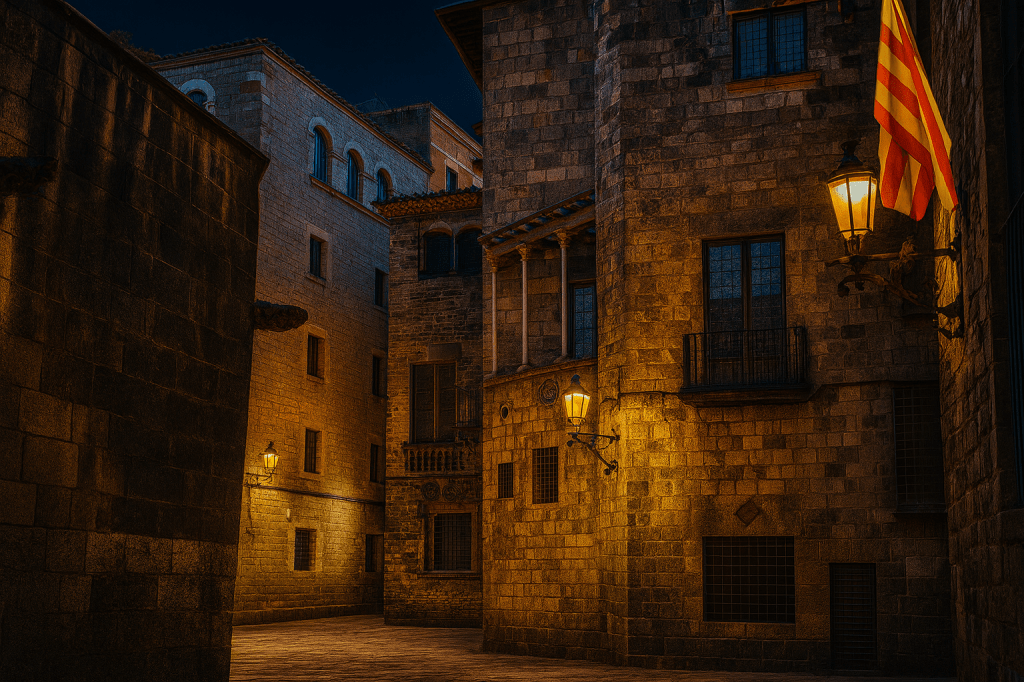
Cooler months transform Barcelona into a calmer, more intimate city. With fewer crowds, you can wander effortlessly through Gaudí’s masterpieces. Linger in sun‑splashed plazas, and enjoy long, scenic walks along the waterfront. The softer light of winter and early spring makes the city feel even more cinematic
- Accessibility First: The Eixample district features wide, flat boulevards. Most Metro stations are equipped with elevators. This setup makes navigation simple for those avoiding steep climbs.
- Cultural Density: The Gothic Quarter, El Born, and multiple Gaudí masterpieces are packed into a walkable core. This allows for deep exploration without long transit times.
- Slow Travel Highlights:
The “Green Axis” Stroll: Walk the newly pedestrianized Consell de Cent; it’s filled with benches and local cafes for people-watching.
Santa Caterina Market: A quieter, more authentic choice to Boqueria, where you can chat with vendors about seasonal produce.
- Why it rewards slow travel: New sustainability rules reduce cruise congestion. This lets you explore historic neighborhoods at your own pace. There are no summer crowds, just plenty to see and enjoy.
Mallorca (Palma & Smaller Ports)
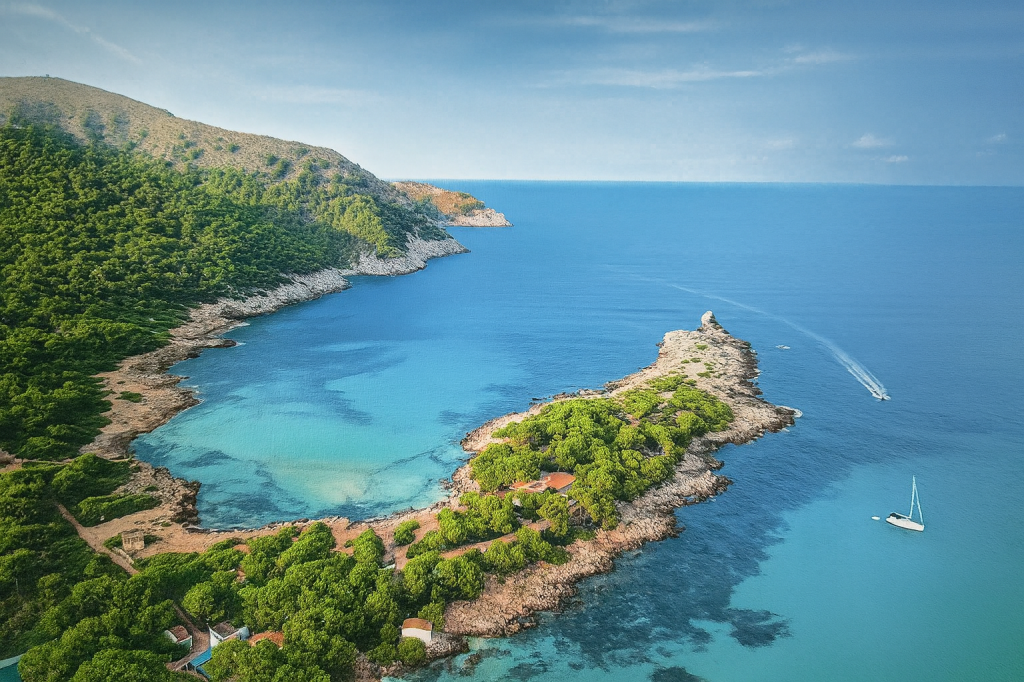
Winter and spring bring a gentle, golden quiet to Mallorca. Palma’s historic streets feel more spacious, and the island’s smaller ports become perfect for slow coastal strolls. Expect crisp mornings, bright afternoons, and just enough chill for a stylish light jacket.
- Accessibility First: Palma’s waterfront is famously flat and paved. It’s perfect for a long, effortless seaside stroll. You can walk from the cathedral to Portixol.
- Cultural Density: Within a half-mile radius of the Cathedral (La Seu), you’ll find the Royal Palace. The Contemporary Art Museum is also nearby. Additionally, there are dozens of historic courtyards.
- Slow Travel Highlights:
The Vintage Train to Sóller: This 1912 wood-paneled train moves slowly through the mountains, making for a truly relaxed outing.
The Secret Patios: Take a quiet walk through the Old Town. Peek into the shaded, fern-filled courtyards of medieval manor houses.
- Why it rewards slow travel: ruise ship limits help keep crowds down. Village markets and seaside cafés feel more local and welcoming.
Nice / Villefranche-sur-Mer, France
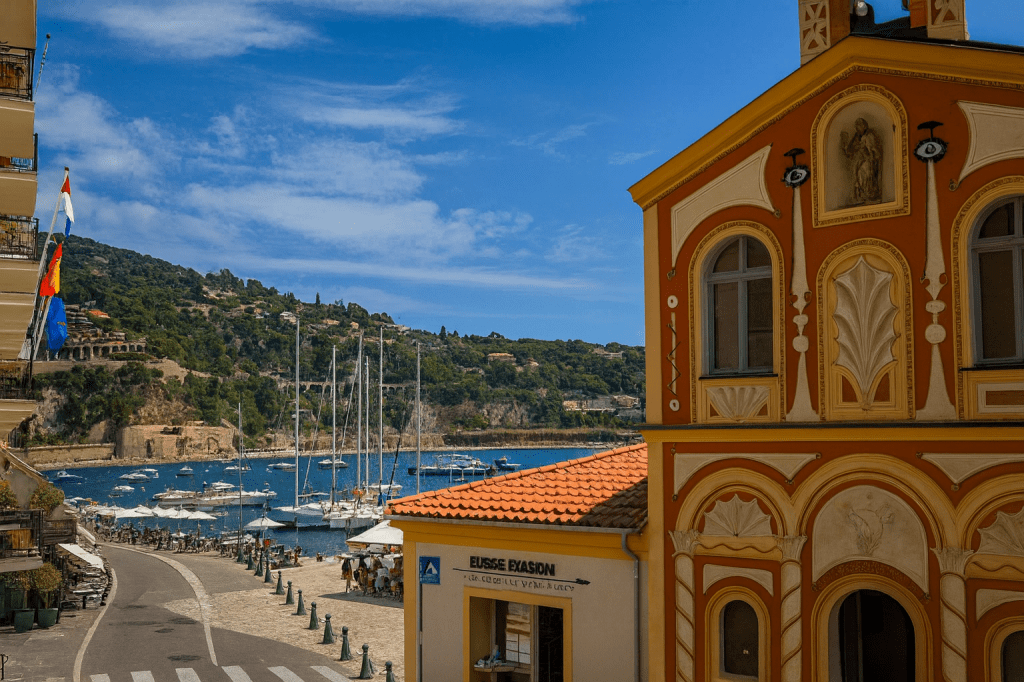
Strict limits on ship size and daily arrivals mean every visit feels curated rather than crowded. Travelers get a more personal experience of the Riviera’s pastel villages, seaside promenades, and effortless French charm, all without the summer rush
- Accessibility First: The Promenade des Anglais offers miles of flat, paved walking with iconic blue chairs perfectly positioned. This is ideal for resting and watching the waves.
- Cultural Density: Old Nice (Vieux Nice) is a dense maze of history, art galleries, and specialty shops. They are all clustered near the daily flower market.
- Slow Travel Highlights:
Cimiez Olive Grove: A short taxi ride leads to the Matisse Museum. Within is the peaceful olive grove where locals play pétanque.
The Sentier du Littoral: A flat coastal path in Villefranche that offers breathtaking views at a leisurely walking pace.
- Why it rewards slow travel: The port’s new rules help create a quieter, more comfortable Riviera experience. It’s perfect for relaxing in a café.
Dubrovnik, Croatia
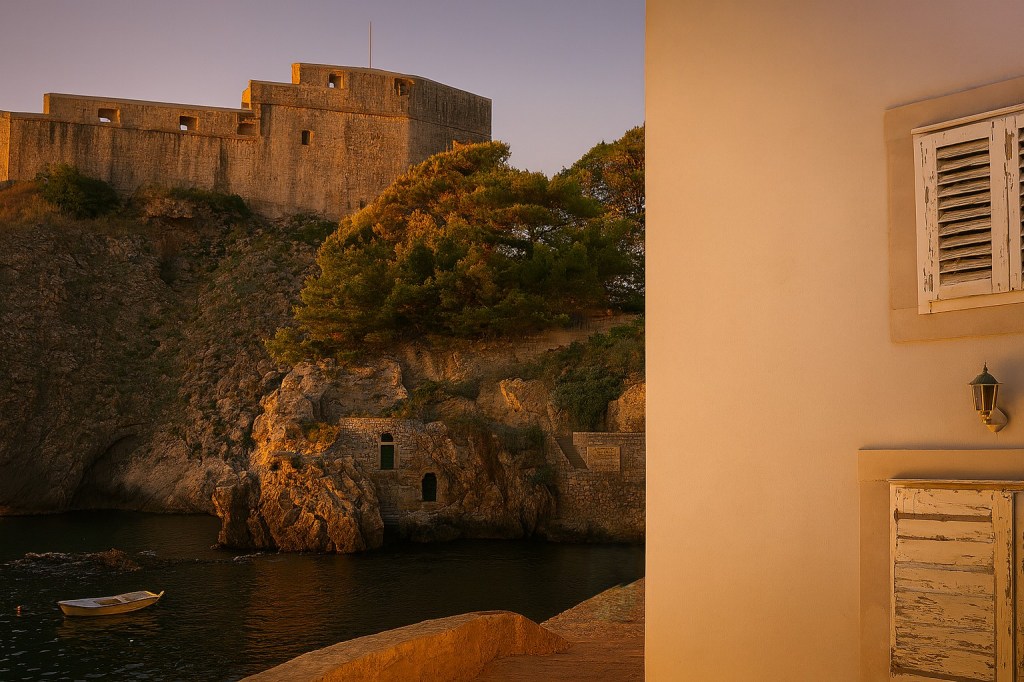
By capping ship and passenger numbers, Dubrovnik protects the magic of its Old Town. Visitors can wander the marble streets, admire the ancient walls, and enjoy Adriatic views. There’s more breathing room and a stronger sense of authenticity.
- Accessibility First: While the side streets have stairs, the main thoroughfare (the Stradun) is perfectly flat and paved with limestone. Thus, the Old Port is easy to navigate.
- Cultural Density: The entire Old Town is a UNESCO site. Visit a 14th-century pharmacy, the Rector’s Palace, and the Cathedral, all within a 10-minute walk.
- Slow Travel Highlights:
The Island of Lokrum: A 15-minute ferry takes you to a car-free botanical paradise. It proves to be the perfect reset from the city walls.
The Franciscan Monastery: Visit the quiet cloisters and buy traditional rosewater cream made according to ancient recipes.
- Why it rewards slow travel: Visit in the evening or during the off-season. This lets you enjoy the medieval streets at a slower, more peaceful pace.
Venice (via Ravenna or Trieste)
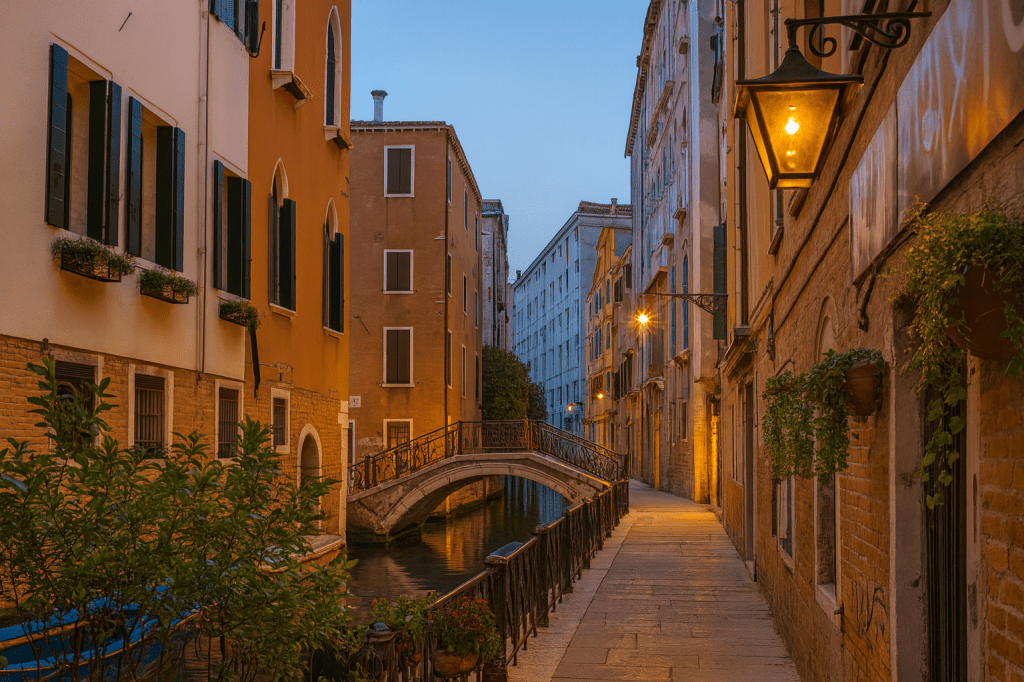
With large ships no longer entering the lagoon, Venice has reclaimed much of its serenity. Travelers can explore quieter canals and discover artisan workshops. Enjoy the city at a more thoughtful, unhurried pace. This is precisely how Venice was meant to be experienced.
- Accessibility First: Focus on the “No-Bridge” routes or use the Vaporetto (water bus) system. It acts as a floating sidewalk to all major sites.
- Cultural Density: Venice is the world’s highest concentration of art and history. Every corner turned reveals a church or palace of significance.
- Slow Travel Highlights:
San Giorgio Maggiore: Take a boat across from St. Mark’s; it’s quieter and has an elevator to the bell tower for the best views in the city.
Cicchetti in Cannaregio: Eat like a local by sampling small plates at a canal-side wine bar in the Jewish Ghetto.
- Why it rewards slow travel: With large cruise ships gone, Venice is easier to explore in a relaxed and respectful way, just as it was meant to be enjoyed
Santorini & Mykonos
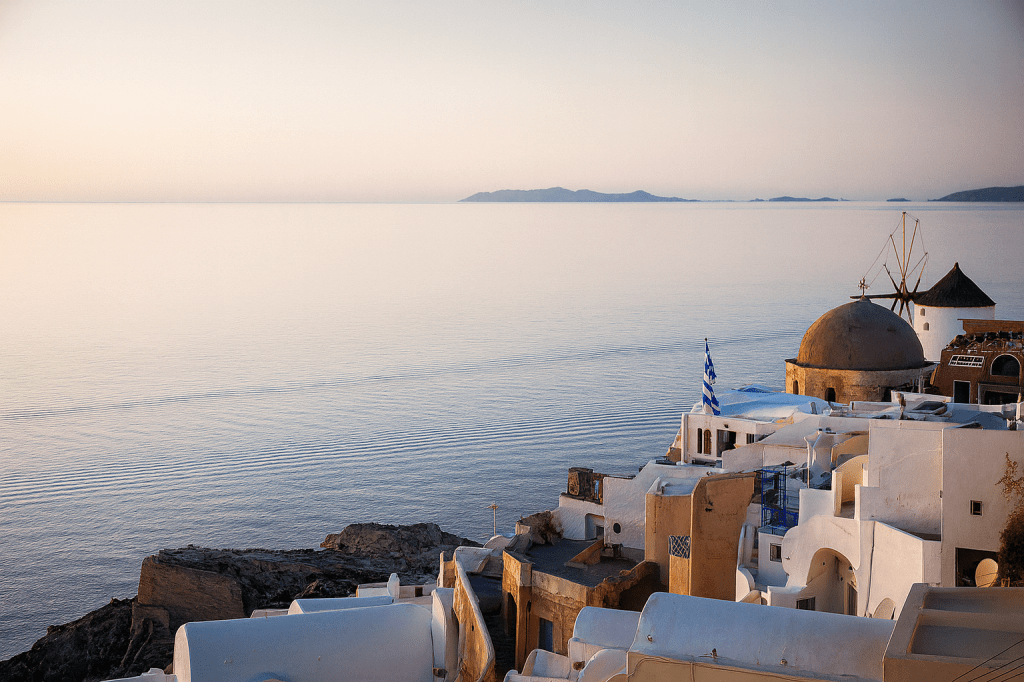
Eco taxes and daily visitor limits help preserve the islands’ fragile beauty. Off‑season visits feel more genuine. With softer light, open tables at local tavernas, and a chance to see the islands as locals do.
- Accessibility First: In Santorini, taking the cable car avoids the steep donkey paths. In Mykonos town, the center is mainly flat and pedestrian-only.
- Cultural Density: Beyond the views, Santorini offers the prehistoric ruins of Akrotiri. The ruins are entirely indoors and accessible via flat walkways.
- Slow Travel Highlights:
Wine Tasting in Pyrgos: Escape the Oia crowds for a quiet afternoon. Enjoy sipping Assyrtiko wine in the island’s highest, quietest village.
Little Venice Coffee: In Mykonos, find a seat by the water and watch the waves. It’s the most relaxing theater in the world.
- Why they reward slow travel: Enjoy the caldera paths and linger in the tavernas without lines or crowds.
Málaga, Spain
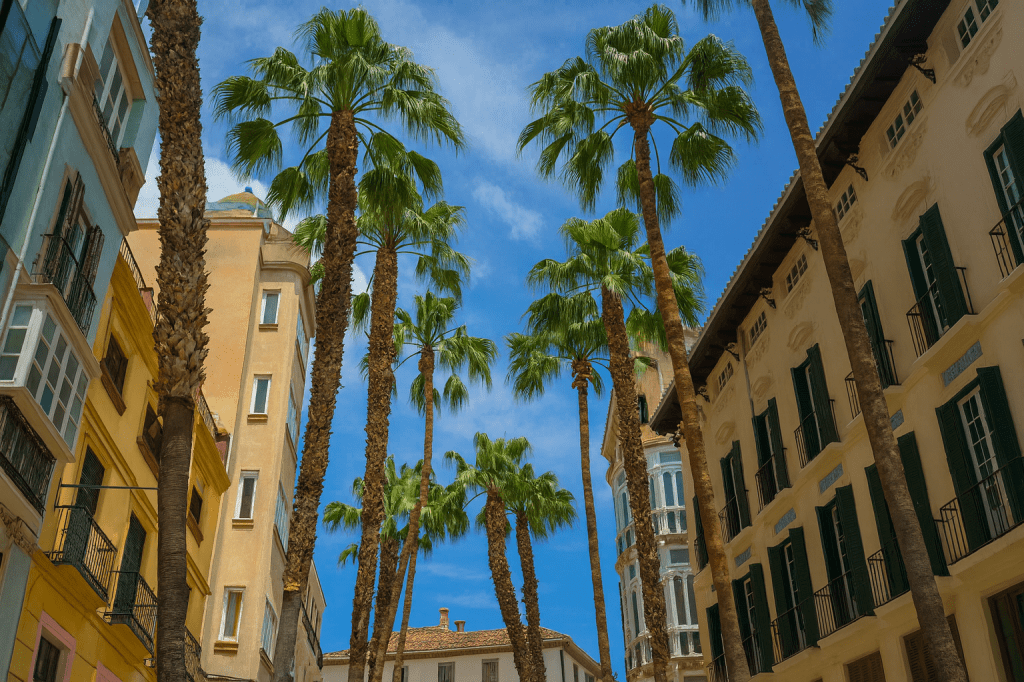
Once overlooked, Málaga has blossomed into a vibrant cultural hub. World‑class museums, a revitalized port, and a lively food scene make it an exciting coastal city. You´ll discover the easygoing warmth of Andalusia.
- Accessibility First: The city center is largely pedestrianized and paved with smooth marble. It’s one of the most senior‑friendly ports in Europe.
- Cultural Density: You can experience world-class art (Picasso Museum, Pompidou Centre) within a few blocks of each other.
- Slow Travel Highlights:
Atarazanas Market: Spend a morning sampling Aloreña olives and almonds; it’s a sensory experience without the “tourist trap” feel.
Paseo del Parque: A botanical garden that doubles as a city promenade, offering plenty of benches and shade.
- Why it rewards slow travel: It’s a city designed for paseo (strolling). Long lunches, not excursion schedules, set the rhythm.
Cagliari, Sardinia
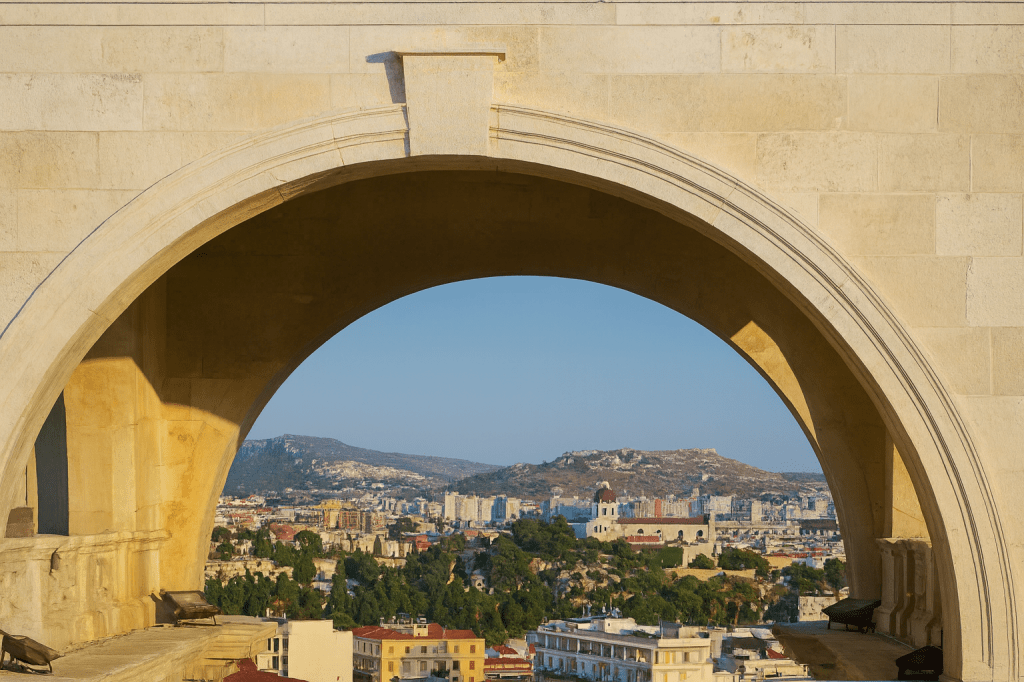
Set on a famed “Blue Zone” island known for longevity, Cagliari offers a deeply authentic Italian experience. Expect sun‑drenched hilltop views, ancient ruins, and a relaxed pace of life that reflects the island’s long‑lived spirit.
- Accessibility First: The hilltop Castello district is steep. Public elevators now whisk you to the top for panoramic views.
- Nature at the Doorstep: The Molentargius‑Saline Regional Park is home to wild flamingos. It’s an easy taxi ride away.
- Slow Travel Highlights:
Marina District Lunch: Sit for a two-hour meal of fregola (Sardinian pasta) and local Vermentino wine.
Poetto Beach: A 5-mile stretch of flat, accessible boardwalk perfect for a sea-breeze walk and a gelato.
- Why it rewards slow travel: The Molentargius‑Saline Regional Park is home to wild flamingos. It’s an easy, flat taxi ride away.
Valletta, Malta
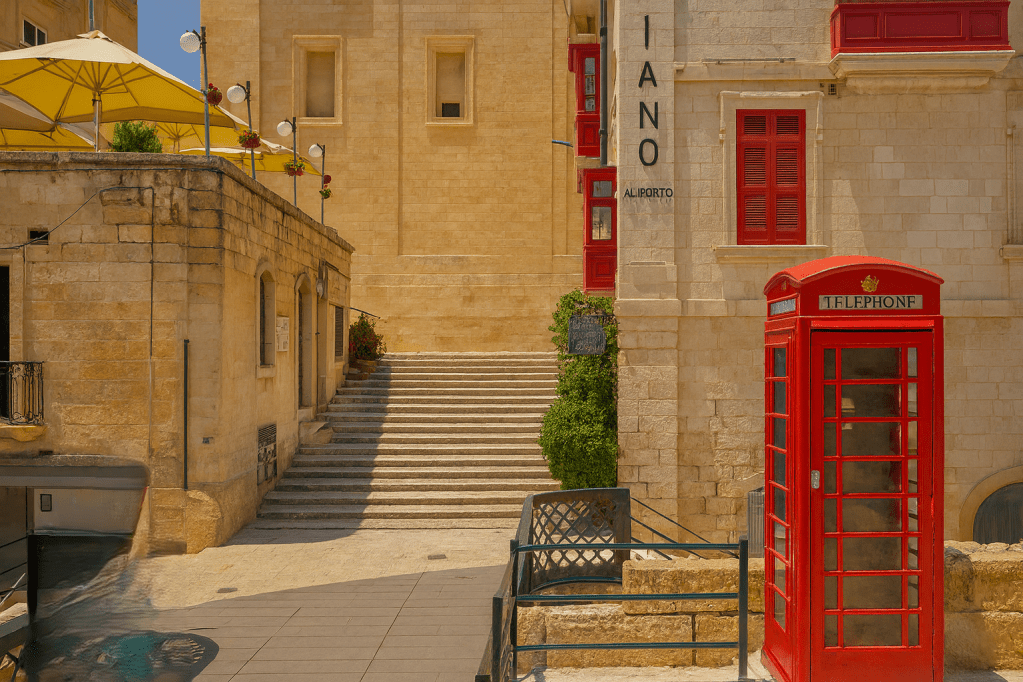
Valletta packs centuries of history into a compact, walkable peninsula. As a UNESCO World Heritage city, it offers grand architecture, sweeping harbor views, and a rich blend of Mediterranean cultures. This is a city you can explore in a single, delightful day.
- Accessibility First: The Barrakka Lift is a modern glass elevator. It carries cruise passengers from the dock straight into the Upper Barrakka Gardens, skipping the steep hills.
- The Three Cities Ferry: Take a traditional wooden boat (dgħajsa) across the harbor for a quiet, residential look at Maltese life.
- Slow Travel Highlights:
St. John’s Co-Cathedral: Go mid-afternoon to admire Caravaggio’s masterpieces in silence once the morning groups depart.
Casa Rocca Piccola: A lived‑in 16th‑century palace. You can tour its aristocratic history at a human pace.
- Why it rewards slow travel: Valletta feels like an open-air museum. It presents plenty of places to sit and interesting stories around every corner.
Kotor, Montenegro
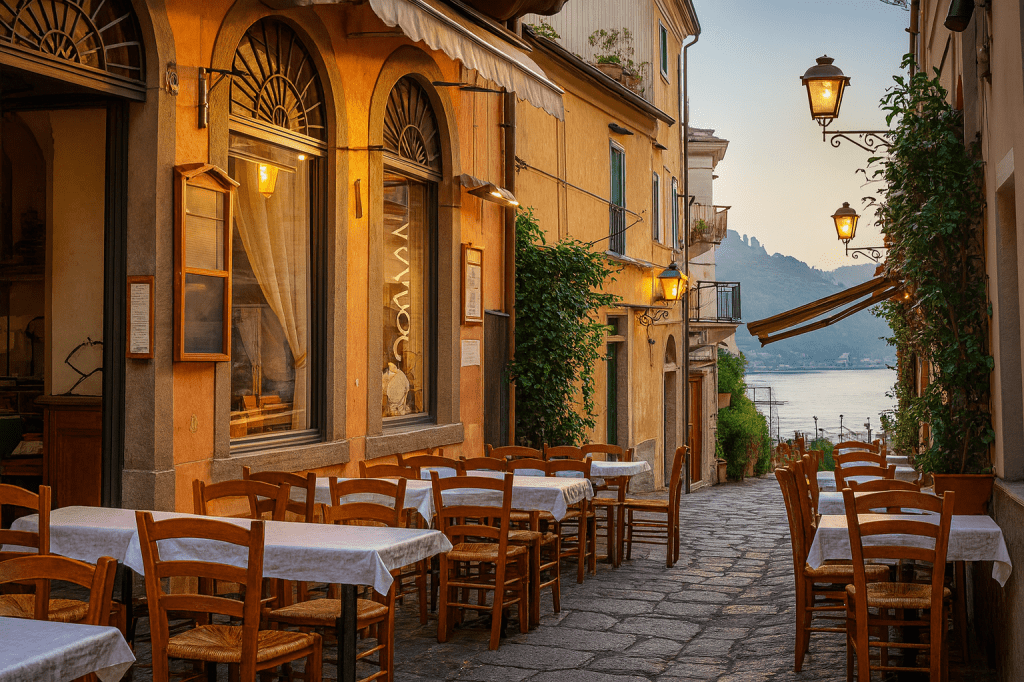
Kotor’s charm lies in its slow, scenic rhythm. The flat waterfront invites easy strolls along the fjord‑like bay, while the nearby village of Perast offers postcard‑perfect tranquility. It’s a destination that rewards travelers who savor the journey.
- Accessibility First: You don’t need to climb the 1,300 steps to the fortress. The beauty of Kotor is best seen from the flat, paved path that hugs the bay.
- Maritime History: The Maritime Museum is housed in a fabulous, quiet palace—a perfect refuge for a slow hour of exploration.
- Slow Travel Highlights:
Boat to Perast: Skip the bus and take a small boat to the “Lady of the Rocks” island. Then enjoy some coffee in the tiny town of Perast.
The Cat Square: Find a seat in a square with a book and a feline companion—the definition of Montenegrin “slow.”
- Why it rewards slow travel: The fjord‑like scenery is so dramatic. Simply sitting at a pier‑side café becomes a full‑day activity.
Quick Comparison Table
The table below highlights ten representative ports that best illustrate how slow travel principles work in practice. Extra ports covered in the article offer similar benefits, but with different cultural or geographic nuances.
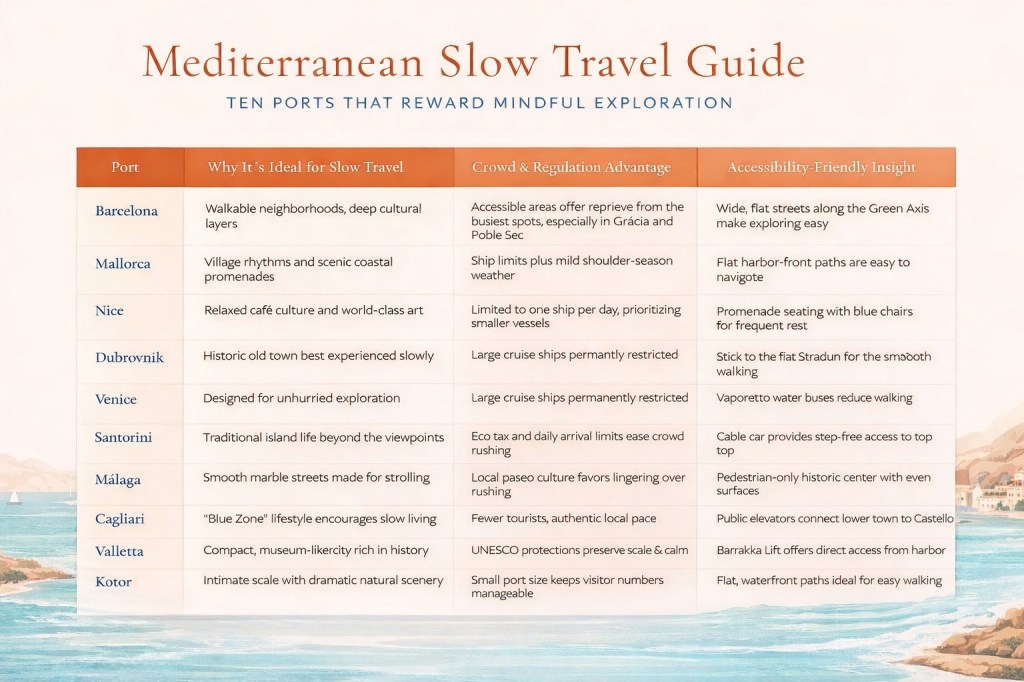
You can check how many ships will be in port on any given day. Use tools like Cruise Timetables, which helps you decide whether a port will feel calm or congested.
Why These Ports Shine for Slow Travelers
Across the Mediterranean, new cruise rules, daily visitor limits, and eco-taxes make these ports ideal for travelers over 50. These places encourage you to explore, enjoy, and connect—the essence of slow travel.
When you’re deciding whether to go ashore or stay onboard, start with one simple question. Does this port offer something unique? Is it accessible and genuinely aligned with what I enjoy?
Then picture the day itself. Can you see a relaxed rhythm that adds to your well‑being? Those small gut checks make it easier to choose days that actually support the cruise you want.
If you’re planning a Mediterranean sailing, this guide can help you. It will assist in choosing ports, seasons, or shore days that match your pace.
Slow travel is ultimately about intention, and that includes knowing when a port day doesn’t align with your preferred pace.
Some Mediterranean ports reward lingering walks, café pauses, and compact exploration. Others involve long transfers, tender queues, or demanding terrain that can turn a “day ashore” into a test of endurance. Recognizing the difference is what separates a relaxing cruise from an exhausting one.
In the next article, we’ll look at Mediterranean ports where staying on the ship is often the smartest choice. Sometimes choosing rest, space, and onboard comfort becomes the most rewarding decision of the entire journey.
Some links on this site are affiliate links. This means I earn a small commission at no extra cost to you. I only recommend experiences I truly value.
 European Cruises After 50