The Honest Answer: It Depends on How You Cruise
If you pace yourself on a Mediterranean cruise, you can actually enjoy each port instead of just checking it off your list. You can keep your days relaxed or choose more activity when it suits you.
Most of the effort comes from long days in port, hot weather, uneven ground, and trying to do too much in one day.
With a bit of planning, you can enjoy the Mediterranean without feeling tired or overwhelmed.
Ship Size Matters More Than You Think
You may be focused on the itinerary, but your choice of ship also quietly shapes how much energy you will use each day.
Large Ships (3,000+ passengers)
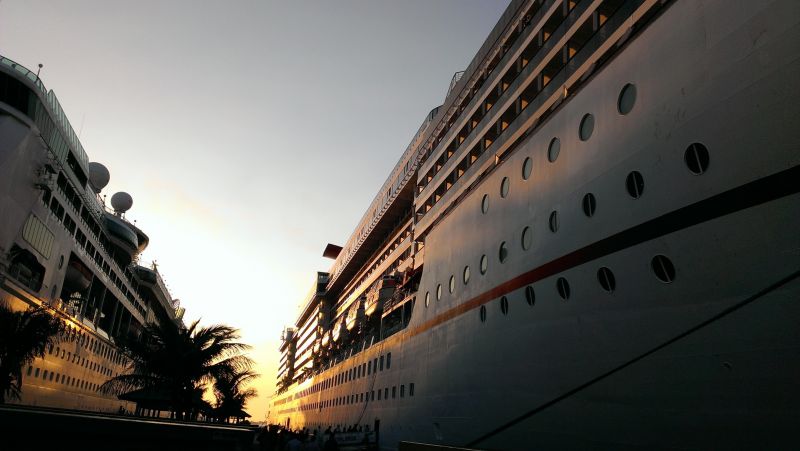
- Longer internal walks: the cabin-to-dining-room walk can be a 7–10-minute stroll.
- Bigger terminals mean more walking during embarkation and port days.
- More venues = more roaming.
Example: In Barcelona, large ships often dock at the far end of the pier. The walk from the ship to the terminal can be up to 800 yards (about 10 to 12 minutes on foot), and reaching the nearest city transport or taxi stand can add another 400 yards. That can mean 1,500 to 2,000 steps before even reaching the city. Certainly a surprising warm-up before your day begins.
Mid-Size Ships (1,000–2,500 passengers)

- For many travelers over 50, these ships are a comfortable middle ground.
- Shorter distances, fewer crowds, easier navigation.
- Still plenty of dining and entertainment options.
Example: In Dubrovnik, mid-size ships often tender faster, meaning less time standing in line and more time exploring at your own pace.
Small Ships & Yacht-Style Vessels
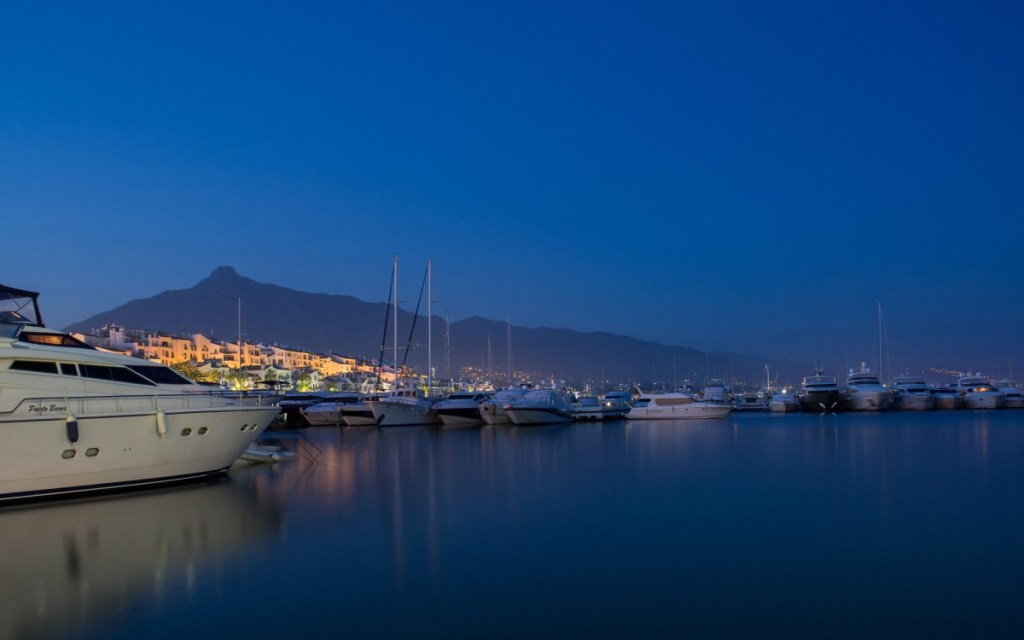
- Small ships mean less walking on board. They usually have elevators, ramps, and handrails, so getting around is simple, even if you move slowly.
- Often dock closer to city centers.
- Faster tendering and smoother disembarkation.
Example: In Kotor, small ships can dock right at the Old Town Gate. You step off the gangway, and you’re there.
The Hidden Energy Drainers
Most fatigue on Mediterranean cruises doesn’t come from the ship. It comes from these overlooked factors. Even seasoned travelers are sometimes surprised by how quickly they add up.
Long Port Days
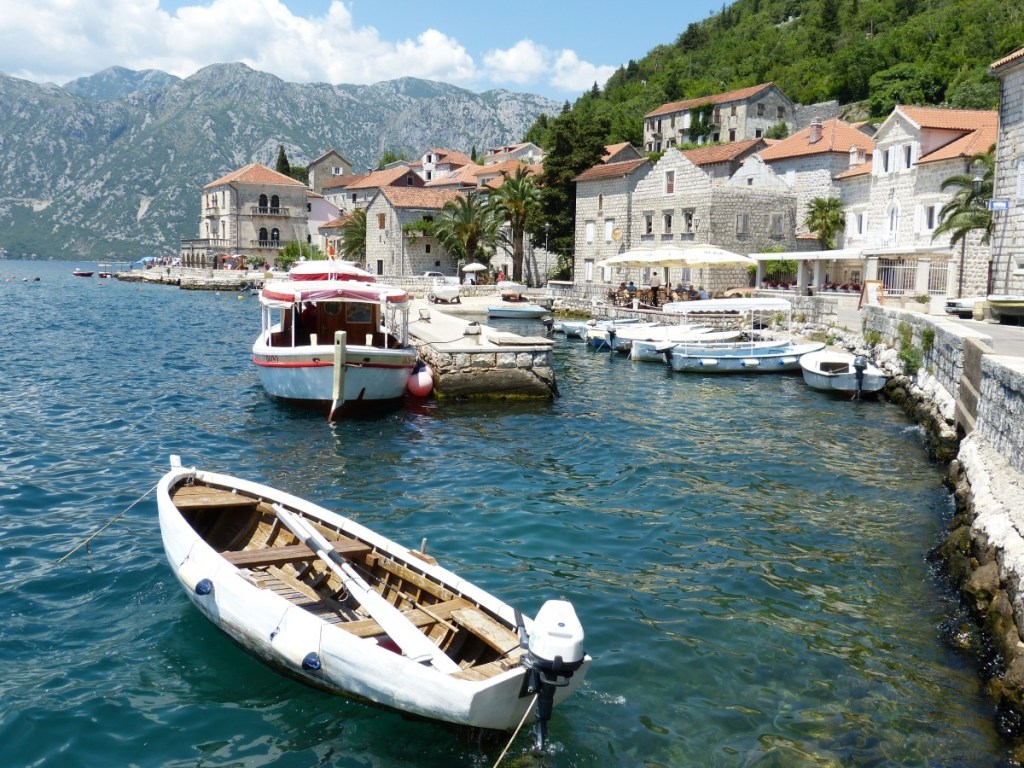
Many Mediterranean ports mean 8 to 10 hours ashore. A full day in port can be exciting, but it can also leave you drained if you do not take breaks.
To make long days easier, plan to rest regularly. Stop every 90 minutes for a café break or to sit in the shade. This helps you recharge and enjoy the local atmosphere.
Example: Florence (from Livorno) is a 90-minute drive each way. Even if you only stroll the Duomo area, it’s a full-day commitment, but planning midday stops at a gelateria or a quiet square can help you sustain your energy and truly enjoy the experience.
Heat and Sun Exposure
From May through September, temperatures can be intense. Consider carrying a simple “heat kit.”
Your Mediterranean Heat Kit:
- Wide-brimmed hat
- Lightweight scarf or shawl (sun + churches)
- Electrolyte tablets or drops
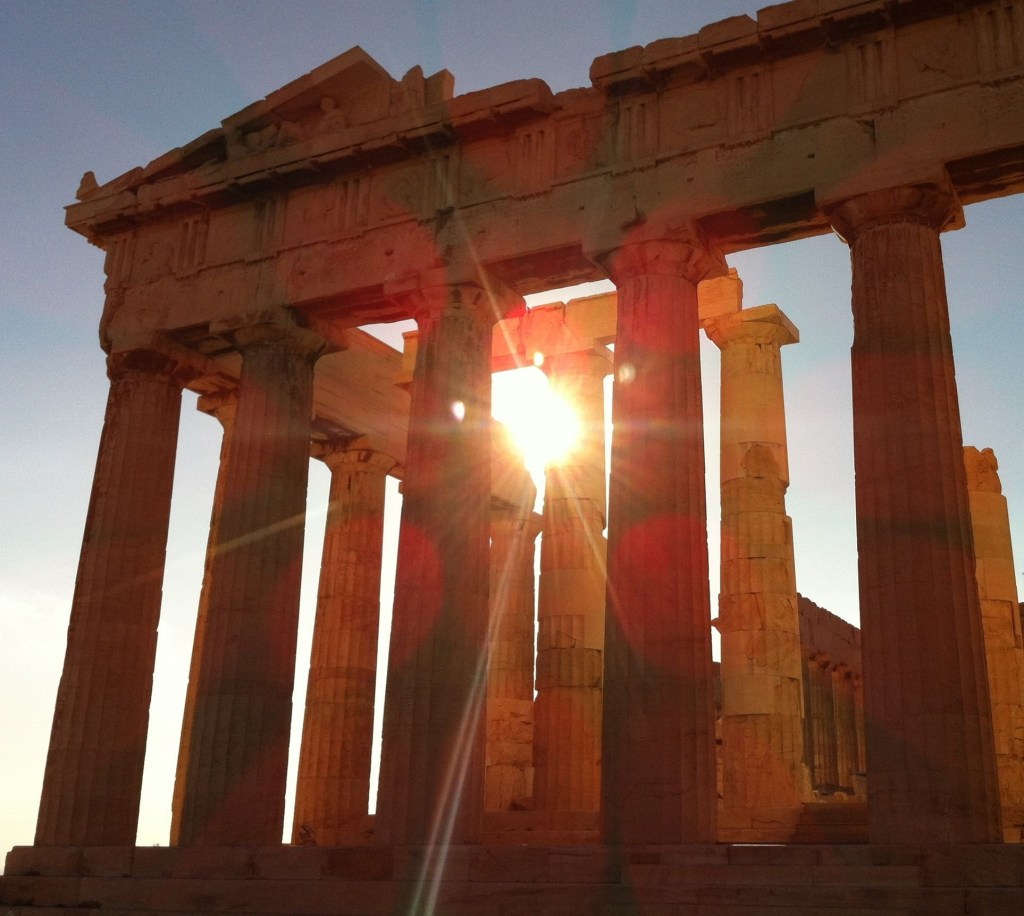
Example: In Athens, the climb to the Acropolis is short but exposed. Even early morning visits can feel like midday. A tiny cooling towel or foldable fan is a common over‑50 travel hack.
Cobblestones and Uneven Terrain
Old towns are charming but tough on joints. If you have sensitive knees or want to avoid extra strain, consider bringing along adaptive aids like a collapsible cane or a lightweight trekking pole. These tools are increasingly common, and using one is simply a smart way to enjoy travel comfortably and confidently.
Examples:
- Rhodes: The medieval streets are beautiful but uneven.
- Taormina: The main street is smooth, but side alleys and staircases add effort.
- Valletta: The city is built on hills with the walk from the port to the Upper Barrakka Gardens is uphill.
Early Morning Excursions
Many tours start before 8:00 a.m., especially in summer, to help you avoid crowds and heat. Early mornings are not for everyone. Ask yourself: Is avoiding heat and crowds most important to you? Can you nap or rest later in the day? If yes, early tours might work for you. If not, pick a later start. This helps you decide what fits your style.
Example: Pompeii tours from Naples often depart early to beat the crowds and heat. For some, this means a more comfortable visit; for others, the early hour may feel like an unnecessary rush. Consider whether the trade-off works for you.
Tender Ports
Getting on and off tenders requires balance and patience.
Examples:
- Santorini: Tender + cable car + crowds = a multi‑step process.
- Kotor: The tender ride is short, but the wait can be long on busy days.
“Just One More Thing” Syndrome
Mediterranean ports have a lot to see. It’s easy to keep adding more stops until you are worn out. Take time to sit for coffee, enjoy some gelato, or just watch the world go by. These small breaks help you enjoy each highlight instead of rushing through everything.
Example: In Rome (from Civitavecchia), it’s tempting to add “just one more” church or piazza — but distances between them add up quickly.
How to Cruise the Mediterranean Without Feeling Exhausted
This is where planning ahead really helps.
1. Choose Ports Keeping Your Comfort in Mind
Not all Mediterranean ports require the same level of effort. Some are naturally flat and walkable. Others demand more stamina.
Easy Ports
- Barcelona: Flat, walkable, excellent public transport.
- Valencia: Shuttle drops you near the old town; mostly flat.
- Naples: You can walk to the historic center from the port.
- Palma de Mallorca: Taxis and buses make it simple to get around.
- Marseille: The shuttle to the Vieux-Port avoids the long industrial walk.
More Demanding Ports
- Santorini: Tendering + cable car + steep paths.
- Dubrovnik: Steps and uneven stones inside the walls.
- Kotor: Tendering plus a steep climb if you attempt the fortress.
- Taormina: Hilltop town reached by bus or cable car.
- Amalfi: Tender port with narrow, crowded streets.
2. Establish a Daily Jewel
Choose one “Daily Jewel” each day; the one experience you truly want to remember. This makes it easier to focus, share with your travel companions, and look back on later. Each morning, ask, “What will today’s Daily Jewel be?”
Examples:
- In Mykonos, wander the waterfront and enjoy a long lunch instead of trekking to the windmills.
- In Florence, choose either the Uffizi or the Duomo area, not both.
- In Athens, visit the Acropolis Museum instead of climbing the hill.
3. Use Excursions Strategically
You do not have to book every excursion through the ship, but consider these options:
- Panoramic bus tours are great for low-effort sightseeing.
Example: In Naples, a panoramic drive offers views of Posillipo, Castel dell’Ovo, and the bay without much walking. - Small-group tours reduce waiting and walking.
Example: In Dubrovnik, a small-group city tour avoids the long lines at Pile Gate. - Private drivers let you control the pace.
Example: In Tuscany, a private driver can take you to a winery and a hill town without the rush of a group tour.
4. Build in Half Days
Return to the ship after lunch. An afternoon by the pool or a quiet balcony break can restore your energy for the evening.
Example: In Palma, explore the cathedral area in the morning, then head back to the ship for a tranquil afternoon by the pool.
5. Wear Proper Footwear
Good walking shoes are more important than any outfit.
Example: In Ephesus, the marble streets are slippery — good shoes make a huge difference.
6. Hydrate Constantly
Mediterranean heat sneaks up on you.
Example: In Malta, limestone buildings reflect heat, making the city feel hotter than the forecast indicates.
7. Use Elevators, Funiculars, and Shuttles
If a port has elevators, funiculars, or shuttles, use them.
Examples:
- Barcelona: Use the Montjuïc cable car instead of climbing.
- Taormina: The cable car saves you a steep ascent.
- Lisbon (if included on your itinerary): Elevators and trams make hills manageable.
A Reassuring Reality

A Mediterranean cruise is not an athletic event.
It is a slow unfolding of history, sea air, and long lunches.
Travel it that way — and you’ll come home energized, not exhausted.
Not sure which itinerary suits your pace? Our in-depth Mediterranean planning guide is on the way.
 European Cruises After 50
Leave a comment